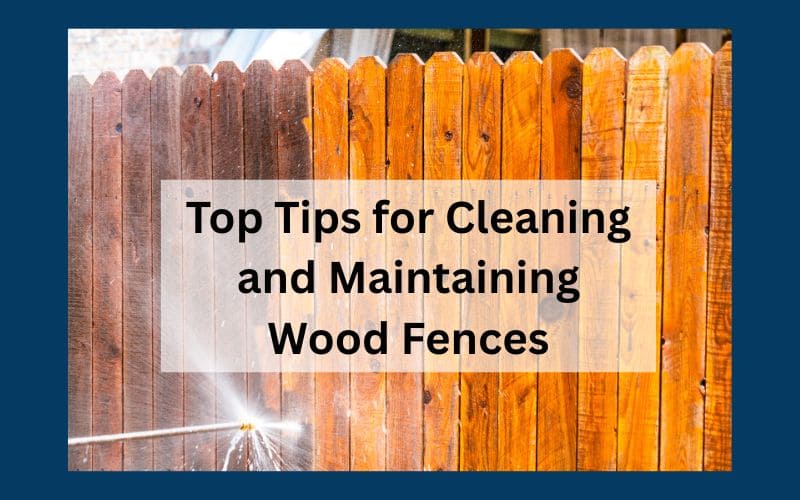
Top Tips for Cleaning and Maintaining Wood Fences
Top Tips for Cleaning and Maintaining
Wood Fences
Table of Contents
Introduction
Understanding Wood Fences
What Are Wood Fences?
Benefits of Installing Wood Fences
Choosing the Right Wood for Your Fence
Types of Wood for Fences
Best Wood for Durability and Maintenance
Cleaning and Maintenance Tips for Wood Fences
Regular Cleaning Practices
Removing Mold and Mildew
Preventing Rot and Decay
Staining and Sealing
Repairing and Restoring Wood Fences
Inspecting for Damage
Replacing Boards and Panels
Refinishing and Restoring the Wood
Conclusion

This is a simple guide on wood fences for the people of New Albany, Indiana. In this article, we will provide you with expert advice on understanding, choosing, maintaining, and repairing wood fences. Whether you're looking to enhance the privacy and security of your home or simply add an elegant touch to your property, wood fences are a classic choice that brings charm and functionality to any outdoor space.
Understanding Wood Fences
What Are Wood Fences?
Wood fences are a classic option for homeowners and property owners looking to enhance the aesthetic appeal, security, and privacy of their outdoor space.
Benefits of Installing Wood Fences
Enhances Privacy: Wood fences provide a sense of privacy and security, creating a peaceful and secluded atmosphere within the property.
Boosts Property Value: Wood fences are a desirable feature for many homebuyers, increasing the overall value and curb appeal of the property.
Natural Aesthetics: With their rustic charm and natural beauty, wood fences complement the landscape and add a timeless visual appeal to any property.
Environmental Benefits: Wood is a renewable resource, making wood fences an eco-friendly option compared to synthetic materials. Additionally, wood fences can be recycled at the end of their lifespan.
Versatility: Wood fences are available in various styles and designs, allowing homeowners to customize their fence to suit their preferences and property aesthetic.
Choosing the Right Wood for Your Fence
Types of Wood for Fences
When choosing the right wood for your fence, it's important to consider the durability, maintenance, and overall look you desire. Here are some common types of wood used for fences:
Cedar: Known for its natural resistance to rot, decay, and insects. It also has a beautiful, reddish hue.
Redwood: Offers natural durability and an attractive appearance. It's resistant to warping, shrinking, and insects.
Pine: A budget-friendly option that can be treated to improve its resistance to decay and insects.
Spruce: Another economical choice that can be pressure-treated to enhance its lifespan.
Best Wood for Durability and Maintenance
When it comes to choosing the best wood for your fence, durability and maintenance are key factors to consider. Here’s a detailed look at the top wood options that offer excellent durability and require minimal maintenance:
These wood types offer longevity and require minimal upkeep, making them ideal choices for a low-maintenance fence that will stand the test of time.
Cleaning and Maintenance Tips for Wood Fences
Regular Cleaning Practices
Regular cleaning is essential for maintaining the look and longevity of your wood fence. Here are some recommended practices for regular cleaning:
Removing Mold and Mildew
Mold and mildew can be persistent problems for wood fences, especially in damp or humid climates. Here are some effective methods for removing mold and mildew from your wood fence:
It's important to wear protective gear such as gloves and a mask while handling these cleaning solutions. After removing the mold and mildew, it's a good idea to take preventive measures to avoid future growth. This may include improving the drainage around the fence, trimming back overhanging foliage, and applying a sealant or protective finish to the wood.
Preventing Rot and Decay
Wood fences are prone to rot and decay over time, especially when exposed to moisture and the elements. Preventing rot from occurring is essential for maintaining the longevity of your wood fence. Here are some effective practices to prevent rot and decay:
Staining and Sealing
Staining and sealing are crucial aspects of maintaining and preserving wood fences. Properly staining and sealing the wood not only enhances its appearance but also protects it from the elements, extending its lifespan. Let's dive into the key considerations and best practices for staining and sealing wood fences:
Opt for an oil-based stain for superior protection against the sun and moisture.
Consider the aesthetic preferences and color options when selecting the stain.
Thoroughly clean the wood surface to remove dirt, debris, and any previous coatings.
Allow the wood to dry completely before applying the stain.
When applying the stain, ensure even coverage using a brush, roller, or sprayer. Take the time to work the stain into the wood for optimal penetration and protection.
Once the stain has dried, sealing the wood provides an extra layer of protection. Choose a sealant that complements the selected stain.
Regularly inspect the fence for signs of wear or damage.
Consider reapplying the stain and sealant every 2-3 years, or as needed, to maintain the fence's integrity.
Repairing and Restoring Wood Fences
Inspecting for Damage
Inspecting for damage is a crucial step in maintaining the integrity of wood fences. By thoroughly examining the fence, you can identify any issues early and prevent further deterioration. Here's how to inspect for damage:
Check for Rot: Look for areas of the fence that are soft, spongy, or discolored, as these could be signs of rot.
Assess for Pest Infestation: Inspect the wood for signs of pest infestation such as tiny holes, sawdust, or insect activity.
Examine Loose Fasteners: Ensure that all screws, nails, and other fasteners are secure and tighten any loose ones.
Survey for Warping or Splitting: Check for any warping, bending, or splitting of the wood, especially along the grain.
Regular inspections and prompt repairs can extend the lifespan of your wood fence and maintain its appeal.
Replacing Boards and Panels
When it comes to repairing and restoring wood fences, one of the key steps is replacing damaged boards and panels. This not only helps in enhancing the visual appeal of the fence but also ensures its structural integrity. Here are some important considerations and steps to follow when replacing boards and panels:
Refinishing and Restoring the Wood
Refinishing and restoring the wood is a crucial step in the process of repairing and reviving wood fences. It involves carefully renewing the appearance of the wood, strengthening its structure, and protecting it from future damage. This section will delve into the detailed steps and methods for refinishing and restoring wood fences.
Refinishing and restoring the wood not only enhances the aesthetic appeal of wood fences but also extends their lifespan. By addressing existing damage, preventing decay, and applying protective coatings, wood can withstand the elements and maintain its structural integrity for years to come.
Refinishing and restoring wood fences involves several key steps to ensure a thorough and effective process. Here are the essential steps to follow:
After completing the refinishing and restoring process, it's essential to maintain the wood fences to ensure their lasting beauty and functionality. Regular cleaning, inspections, and reapplications of protective coatings can help preserve the wood's condition over time.
Conclusion
Wood fences are valuable additions to residential properties, offering privacy, security, and visual appeal. Understanding the nuances of wood fences, including material selection, maintenance practices, and repair methods, empowers homeowners to make informed decisions and preserve the integrity and aesthetics of their fences for years to come.
